Horsa Scary: A Timeless Handwritten Font for Branding
Horsa Scary on a Café Logo and Brand Board
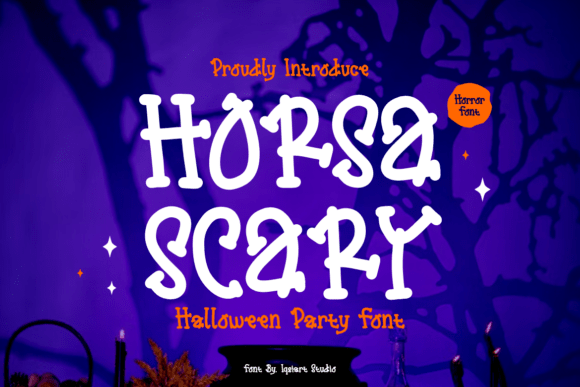
Opening a blank brand board one afternoon, I was looking for something that would feel both personal and professional. Horsa Scary immediately caught my eye as a display font with a handwritten touch. It’s not just a font—it’s a mood. The letters have a unique and beautiful touch, which made the café logo concept feel warm and inviting. I placed it next to other fonts like Playfair Display and Lora, but nothing had the same charm or character as Horsa Scary. It felt like the perfect fit for a boutique coffee shop identity, where the goal was to create a sense of community and comfort.
On the brand board, Horsa Scary worked well with minimalist design elements and earthy tones. It didn’t overpower the layout but instead added a human element to the otherwise clean visuals. This is a great example of how Horsa Scary can be used in logo design and branding projects that aim to evoke emotion and personality.
Horsa Scary in Packaging Mockups and Business Cards
Next, I tested Horsa Scary on a packaging mockup for a handmade soap brand. The font looked elegant yet approachable, which aligned perfectly with the product’s natural and artisanal vibe. When I applied it to a label, the handwritten feel gave the product a sense of authenticity that stood out on the shelf. It wasn’t too ornate, so it still felt readable and professional.
I also tried Horsa Scary on business cards. The font performed well at small sizes without losing its legibility, which is rare for handwritten styles. It added a personal touch to the contact information, making the card more memorable. This shows that Horsa Scary isn’t limited to logos or headers—it works equally well in print materials like business cards and product labels.
Horsa Scary for Social Media Graphics and Website Headers
When designing social media graphics for the same café, I experimented with Horsa Scary in Instagram posts and Facebook banners. The font’s unique touch made the captions stand out, especially when paired with vibrant photos of coffee and pastries. It created a visual hierarchy that drew attention to key messages without being overwhelming.
On the website header, Horsa Scary brought a sense of warmth and creativity. It complemented modern web design by adding a personal flair. However, I found that using it for long body text wasn’t ideal—Horsa Scary is best suited as a display font rather than for reading large blocks of content. That said, it excelled in headlines, taglines, and call-to-action buttons, where its character could shine.
Horsa Scary in Editorial Design and Commercial Projects
For an editorial design project, I considered using Horsa Scary in magazine headlines and feature titles. Its timeless quality gave the content a nostalgic yet fresh feel. It paired well with serif fonts like Georgia and Garamond, creating a balanced contrast between traditional and modern typography.
In commercial design assets, such as promotional flyers and posters, Horsa Scary helped reinforce brand messaging with a friendly and approachable tone. It’s important to note that while this font is versatile, it may not be the best choice for formal corporate use or projects requiring strict readability standards. Instead, it shines in creative industries like fashion, lifestyle, and food brands where personality and style are key.
Testing Horsa Scary Before Final Use
Before committing to Horsa Scary for any client work, I recommend testing it in different contexts. Try placing it on a shop sign, a homepage hero section, or even a printed card to see how it behaves under various conditions. Also, check the font’s file formats and webfont availability to ensure compatibility across platforms.
Remember to review the commercial font licensing before using Horsa Scary in final client work, brand identity, templates, merchandise, websites, or print-on-demand products. Ensuring proper usage will help avoid legal issues down the line.