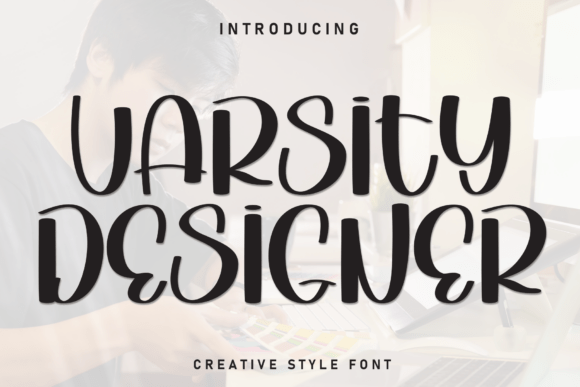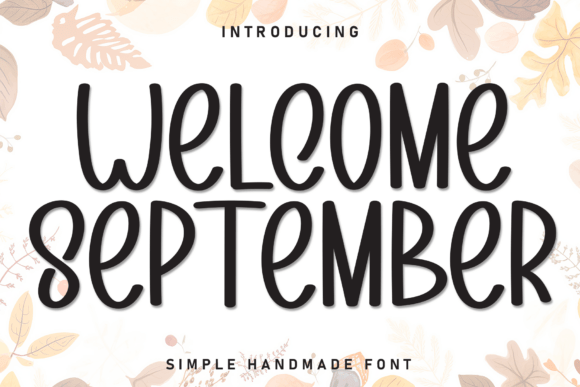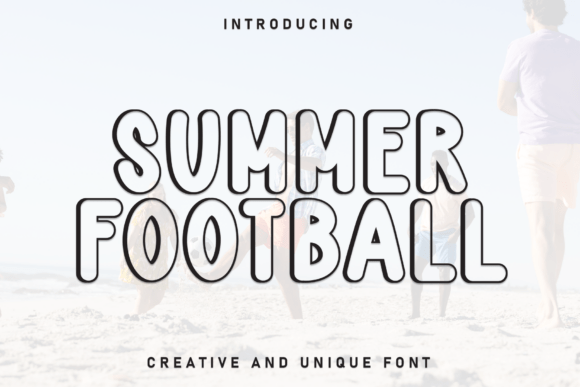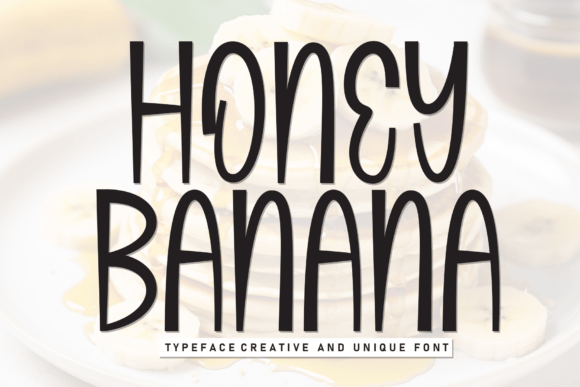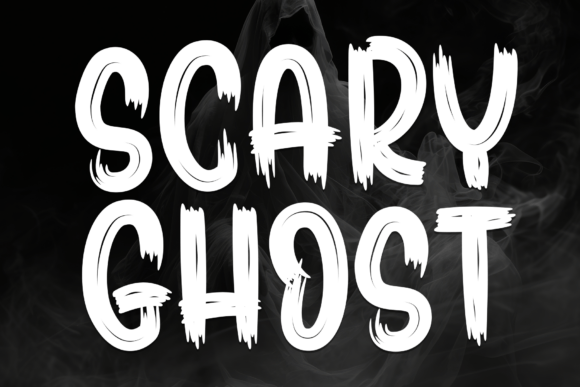
Scary Ghost: A Friendly Display Font for Modern Branding
Scary Ghost in a Café Logo Concept
Opening a fresh brand board, I was looking for something that felt both modern and warm. Scary Ghost immediately caught my eye. As a display font, it has a casual and neat vibe that's perfect for a café identity. Its clean lines and subtle rounded edges gave the logo a friendly approachable feel without being too playful. It balanced professionalism with a touch of personality—exactly what I needed for a cozy coffee shop rebrand.
I tested it against other fonts, and Scary Ghost stood out for its readability and visual appeal on a small scale. It worked well as a headline on the logo and as a supporting typeface on the menu board. The balanced letterforms made it easy to read from across the room, which is essential for any signage or packaging design.
Scary Ghost on Packaging Mockups
Next, I moved to a skincare product mockup. The brand had a minimalist aesthetic but wanted to feel inviting. Scary Ghost fit perfectly here. Its friendly tone complemented the natural ingredients message, while the clean lines kept everything looking professional. On a product label, it didn’t overpower the imagery, which is crucial for editorial design and packaging.
When paired with a serif font for body text, Scary Ghost provided a nice contrast. It became the go-to font for short phrases like “Gentle Care” or “Revitalizing Blend.” The subtle rounded edges helped soften the overall look, making the packaging feel more approachable and trustworthy.
Scary Ghost in Social Media Layouts
Testing Scary Ghost on an Instagram post layout was another win. For a handmade soap brand, I used it for the headline and call-to-action buttons. The font’s simplicity made it easy to read on mobile screens, and the friendly vibe aligned with the brand’s community-driven message. It looked great in both light and dark modes, which is a big plus for digital content creators.
As a display font, Scary Ghost performed well in short bursts of text. It wasn’t ideal for long paragraphs, but that’s expected. For social media graphics, it added character without distracting from the visuals. When combined with a sans-serif font for captions, it created a balanced and modern typography system.
Scary Ghost for Website Headers and Business Cards
On a website header, Scary Ghost brought a sense of calm and clarity. It worked especially well for creative studios or boutique brands looking to stand out. The clean lines and balanced letterforms made it feel polished, while the friendly tone helped build a connection with visitors.
For business cards, I found that Scary Ghost added a personal touch. It wasn’t too bold or too soft—it struck the right balance between professional and personable. It also scaled well at smaller sizes, which is important for printed materials. Just be sure to test it in your chosen size before finalizing any print-on-demand projects.
When Scary Ghost Might Not Be the Best Choice
While Scary Ghost excels in display and headline roles, it may not be the best option for formal corporate use or long-form text. Its casual nature makes it unsuitable for legal documents or financial reports where a more serious tone is required. Additionally, when used in very small sizes or low-resolution formats, the rounded edges can become less defined, so testing is key.
If you're working on a project that requires strict typographic hierarchy or extensive body copy, consider pairing Scary Ghost with a complementary sans-serif or serif font. This way, you can maintain brand consistency while ensuring readability across all platforms.
Practical Tips for Using Scary Ghost
Before using Scary Ghost in client work, always check the commercial font licensing. Make sure it's suitable for your intended use, whether that's branding, packaging, templates, or digital products. Testing it in different contexts—like on a hero section, poster, or flyer—will help you understand how it performs in real-world scenarios.
Also, take advantage of any included styles, alternates, or ligatures if available. These can add subtle variety to your design without compromising the font’s core personality. And don’t forget to pair it wisely with other fonts to create a cohesive and visually appealing typography system.