Line Gravity: A Playful Display Font for Creative Projects
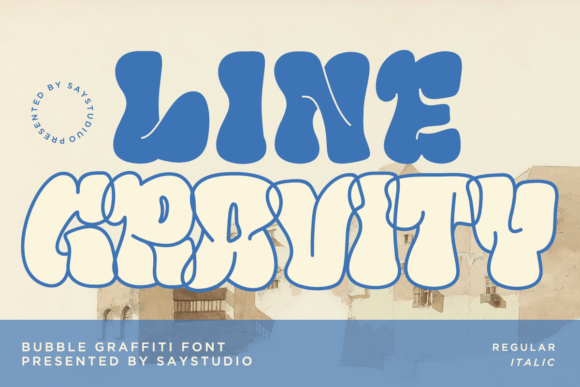
Choosing the right font can transform a design from ordinary to unforgettable. Recently, while redesigning the header for a lifestyle blog, I stumbled upon Line Gravity—a bubble, playful and sweet font with a graffiti vibe and soft, rounded shapes in detail. Its fun and casual energy immediately made me think of how it could elevate the visual appeal of large-scale applications like posters, flyers, or signage.
Line Gravity for Lifestyle Blog Headers and Editorial Design
Line Gravity brought a fresh, modern touch to the blog’s header. As a display font, its rounded edges and subtle graffiti-inspired details gave the layout a sense of movement and warmth. It felt perfect for a lifestyle blog that aims to be both inviting and visually engaging. The font’s personality matched the brand’s tone—playful yet polished.
When designing headers, it’s essential to choose a font that commands attention without overwhelming the reader. Line Gravity achieves this balance effortlessly. Its soft curves and slightly irregular shapes add character, making headlines stand out while maintaining readability on digital screens and print materials.
Line Gravity in Recipe Ebook Covers and Digital Magazines
For a recent project, I was tasked with creating a cover for a recipe ebook focused on seasonal cooking. Line Gravity was an obvious choice. Its fun and casual energy aligned perfectly with the theme of a cozy kitchen and home-cooked meals. The graffiti vibe added a modern twist, making the cover feel both approachable and trendy.
In digital magazines, where visuals play a crucial role in attracting readers, Line Gravity proved to be a versatile asset. Used for chapter titles and pull quotes, it created a rhythm that guided the reader through the content. The font’s softness ensured that even long-form text didn’t feel cluttered or difficult to read.
Line Gravity for Wedding Invitations and Branding Elements
Wedding invitations demand elegance and charm, and Line Gravity delivered both. When paired with a clean sans serif font for body copy, it created a beautiful contrast that highlighted the invitation’s key elements. The playful nature of Line Gravity complemented the celebratory mood of the event, while the soft, rounded shapes added a touch of sophistication.
Its use in branding elements such as logos and social media graphics also stood out. The font’s unique details made it ideal for creating memorable visual identities that resonate with younger audiences who appreciate a more casual, artistic aesthetic.
Line Gravity in Coaching Workbooks and Printable Guides
Coaching workbooks and printable guides benefit from fonts that are both engaging and easy to follow. Line Gravity, with its casual energy, helped break up dense content and make learning feel more enjoyable. Used for section headings and chapter openers, it provided a friendly and encouraging tone that aligned well with the goals of personal development.
For printable guides, the font’s legibility on paper was a bonus. Its rounded shapes reduced the harshness often associated with display fonts, making it suitable for both short and longer reading formats. This made it a go-to choice for designers looking to create educational materials that are both informative and visually appealing.
Line Gravity for Newsletter Graphics and Content Branding
Newsletter headers and promotional graphics require a font that grabs attention quickly. Line Gravity’s bold, yet approachable style made it a favorite for newsletter designs. It worked especially well for headlines and call-out sections, drawing the reader’s eye to important information without feeling overdone.
When it comes to content branding, consistency is key. Line Gravity allowed for a cohesive look across different platforms, from website headers to email campaigns. Its versatility meant it could be used in various sizes and weights, adapting seamlessly to different editorial needs.
Readability Considerations and Practical Font Pairing
While Line Gravity excels as a display font, it’s important to consider its readability in different contexts. For body text, pairing it with a more traditional serif or sans serif font ensures clarity and comfort for extended reading. In digital layouts, testing the font on mobile devices and ensuring proper spacing and line height is essential for optimal screen reading.
Font pairing is an art in itself. When using Line Gravity for titles, it’s best to balance it with a complementary font that provides contrast and readability. For example, pairing it with a clean sans serif font for captions or navigation menus creates a harmonious visual flow that enhances the overall design.
Final Notes on Line Gravity and Its Use Cases
Whether you're designing a wedding guide, recipe ebook, or lifestyle blog, Line Gravity offers a unique blend of playfulness and professionalism. Its graffiti-inspired details and soft, rounded shapes give it a distinct personality that can elevate any project. As a display font, it’s perfect for headlines, chapter titles, and other prominent text elements that need to stand out.
Before using Line Gravity in commercial projects, it’s worth checking the included styles, alternates, ligatures, weights, multilingual support, file formats, and licensing terms. These factors will ensure that the font meets your specific design needs and complies with any usage requirements.